What Is Included in a Custom Logo Design Package? Hiring a professional designer or design agency to create your company logo is one of the most important investments you will make for your business. Your logo acts as the visual cornerstone of your enterprise. It identifies your products, builds recognition, and gives customers an immediate impression of your professional standards.
However, many entrepreneurs and business owners are unsure what they should actually receive once the project concludes. A genuine custom logo design package is never just a single image file sent over email. Instead, it is a complete, versatile brand asset system containing multiple file formats, layout arrangements, color codes, typographic guidelines, and legal ownership transfers.
Without a complete package, you will quickly face technical obstacles when building your website, ordering printed merchandise, printing business cards, or running digital advertisements.
This comprehensive guide breaks down every element that should be included in a professional custom logo design package so you can protect your investment and prepare your company for long term growth.
If you are currently evaluating options for your brand identity, exploring professional logo design services will ensure you receive complete, production ready deliverables from start to finish.
The Real Purpose of a Full Logo Design Package
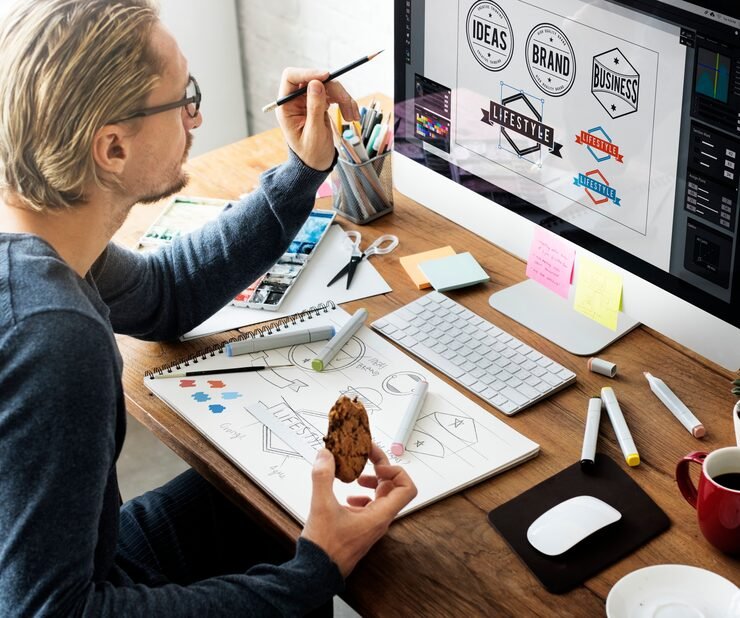
A modern business operates across dozens of distinct communication channels. On any given day, your branding must appear on small smartphone screens, large computer monitors, glossy business cards, vehicle wraps, embroidered shirts, and massive trade show banners.
According to marketing resources from the US Small Business Administration, developing a strong brand identity is essential for building customer trust and carving out a competitive market presence. A single static graphic cannot perform effectively across every environment. A wide banner requires a horizontal layout, a social media avatar needs a square icon, and an embroidered polo shirt requires simplified vector paths.
A complete design package provides the exact tools needed to handle each of these situations without distortion, pixelation, or color mismatch. When you invest in a custom logo design, you are purchasing an adaptable visual identity designed to scale with your business for years to come.
1. Initial Creative Discovery and Original Concept Development
A professional logo project begins long before final files are generated. The first major phase of your package focuses on creative discovery and concept exploration.
During this stage, the design team researches your target market, analyzes key competitors, reviews your business goals, and translates your brand values into distinct visual ideas.
A standard professional package includes:
- Multiple Unique Concepts: You should receive between three and six completely distinct creative directions. These concepts explore different symbolic styles, typography pairings, and layout structures rather than slight color tweaks of the same shape.
- Contextual Mockups: Professional design presentations display each concept on real world mockups, such as business cards, storefront signs, mobile apps, and packaging. This allows you to evaluate how the logo functions in practical settings instead of judging it on a plain white canvas.
- Strategic Rationale: Each concept should come with a brief explanation outlining the thinking behind the design elements, color psychology, and typographic choices.
To see how diverse creative concepts look in real world applications, you can browse the portfolio at Innovative Logo.
2. Structured Revision Cycles and Design Refinements
Creating the perfect logo requires collaboration. Once you review the initial concepts, your design package should include dedicated revision rounds to fine tune your chosen direction.
A standard package typically offers two to four structured revision rounds. During these cycles, your feedback guides adjustments to elements such as:
- Fine tuning typeface selection, kerning (letter spacing), and line thickness.
- Adjusting color palettes, contrast levels, and gradient transitions.
- Rebalancing proportions between the icon symbol and the company name.
- Testing different layout lockups to guarantee legibility at both massive and tiny scales.
Having clearly defined revision milestones ensures your final design aligns with your expectations while keeping the project on schedule.
3. Essential Master File Formats (Vector and Raster Deliverables)
The core technical foundation of your logo package is the collection of master files. A professional designer delivers assets organized into two primary categories: vector source files and high resolution raster images.
Vector Source Files (AI, EPS, SVG, and Vector PDF)
Vector files are the most important assets in your deliverable package. Unlike standard photos, vector graphics are built using mathematical formulas that define points, lines, and curves. This allows vectors to scale to any physical dimension without losing sharpness or becoming blurry.
Your package must include the following vector formats:
- AI (Adobe Illustrator): The master source file created in Adobe Illustrator. This file contains original layers, paths, and editable shapes. Any graphic designer you hire in the future will need this file to create new marketing collateral.
- EPS (Encapsulated PostScript): A universal, open standard vector format widely used by commercial print shops, vinyl sign plotters, embroidery machinery, and promotional product manufacturers.
- SVG (Scalable Vector Graphics): The modern vector standard for websites and digital apps, maintained under open standards by the World Wide Web Consortium. SVG files ensure your website logo looks crystal clear on 4K screens and mobile devices while keeping page loading speeds fast.
- Vector PDF (Portable Document Format): A versatile, high resolution vector document that anyone can open, review, and print without needing specialized design software.
High Resolution Raster Assets (PNG and JPG)
While vector files are necessary for manufacturing and large scale printing, raster formats are what your team will use for everyday digital tasks, office documents, and social media.
Your package should supply:
- Transparent PNG Files: High resolution (300 DPI) images with transparent backgrounds. These allow your logo to sit cleanly on top of colored website sections, presentation slides, or email headers without showing an awkward white box around the graphic.
- High Resolution JPEG Files: Standard image files with solid backgrounds, ideal for social media posts, document headers, and profile images where transparency is not required.
To see what vector deliverables and raster assets are provided across different package tiers, you can review our pricing page.
4. Layout Lockups and Responsive Brand Variations
A single logo layout cannot fit every marketing placement. A professional design package provides multiple layout lockups derived from your primary mark.
Primary, Horizontal, and Stacked Variations
Different media offer different physical dimensions:
- Primary Layout: The signature arrangement of your logo, used on main marketing materials, formal proposals, and official documents.
- Horizontal (Landscape) Lockup: A wide, narrow format where the icon sits beside the typography. This variation is necessary for website headers, desktop navigation bars, email signatures, and rectangular sponsorship banners.
- Stacked (Vertical) Lockup: A centered layout where the icon sits directly above the company name. This orientation works best on square product packaging, merchandise, and trade show displays.
Standalone Icons, Sub-Marks, and Favicons
For micro spaces where full typography becomes unreadable, your package should include simplified sub-marks:
- Standalone Brand Mark: Your central symbol isolated from the company name, optimized for social media profile pictures and app icons.
- Browser Favicon Assets: Dedicated, pixel aligned icon files (16×16 and 32×32 pixels) designed specifically for browser tabs and mobile search listings.
- Monogram or Lettermark: A stylized abbreviation or initial mark used for watermarks, wax seals, or small embroidery placements.
Monochrome, White Knockout, and Inverted Formats
To ensure your brand performs against any background tone, you need distinct color treatments:
- Full Color Version: The primary design using your complete brand color scheme for light backdrops.
- Solid White Knockout Version: A pure white silhouette designed to stand out against dark backgrounds, dark mode website themes, and colored photography.
- Monochrome Black Version: A solid black version for single color newspaper printing, invoices, and formal legal documents.
- Grayscale Version: A tonal black and white variation for standard office printing.
5. Exact Brand Color Palette and Technical Color Codes
Color consistency is vital for brand recognition. If your marketing team, web developer, and print shop all guess your brand colors, your materials will quickly show clashing shades of blue, red, or green.
A comprehensive logo package includes an exact color palette specified across all major color systems:
- HEX Codes: Six character digital codes used by web developers for website styling, CSS sheets, and digital interfaces.
- RGB Values: Red, Green, and Blue light values for digital monitors, video production, and presentation slides.
- CMYK Percentages: Cyan, Magenta, Yellow, and Key (Black) ink formulas for commercial four color process printing on flyers, brochures, and magazines.
- Pantone (PMS) Spot Colors: Exact ink formulas from the standardized Pantone Color System. Specifying a Pantone spot color guarantees identical ink reproduction across international printing presses, textile manufacturers, and packaging suppliers.
6. Typography System and Font Guidelines
Typography plays a major role in conveying your brand personality. A logo design package should clearly document the typographic rules used in your visual identity.
Your package should include:
- Primary Logotype Font: The specific typeface used in your primary business name.
- Secondary Supporting Typeface: Recommended font families for website headings, body copy, marketing brochures, and corporate correspondence.
- Font Hierarchy Rules: Clear instructions identifying font classifications, recommended weights (bold, regular, light), and links to commercial font foundries where your business can purchase necessary software licenses.
- Outlined Font Deliverables: All final vector logo files should have live text converted into permanent vector outlines, ensuring that print shops can open and print your files without needing your proprietary fonts installed on their computers.
Professional design guidelines from the American Institute of Graphic Arts (AIGA) highlight how standardized typographic rules preserve brand integrity across diverse corporate communications.
7. The Brand Style Guide (Brand Guidelines)
A brand style guide (also called a brand book or guidelines sheet) is the operational instruction manual for your visual identity. It teaches your internal team, external marketing agencies, and third party vendors how to use your logo correctly.
A professional style guide outlines:
- Minimum Size Requirements: The smallest physical and digital dimensions your logo can be displayed at before typography becomes unreadable.
- Clear Space (Safety Zone) Rules: The mandatory boundary of empty space that must surround your logo to keep other visual elements, buttons, and text from crowding the mark.
- Unacceptable Usage Examples: Explicit visual examples showing what never to do with your logo, such as stretching proportions, applying drop shadows, rotating angles, altering colors, or placing the mark over busy, clashing backgrounds.
- Background Tone Pairing Rules: Guidelines defining which color variations (full color, white knockout, or black) should be paired with light, dark, and photographic surfaces.
To learn more about our company mission and how we build visual standards that protect growing businesses, visit the about us page on our website.
8. Intellectual Property Transfer and Copyright Ownership
When you pay for a custom logo design, you must receive complete, unrestricted commercial ownership of the final artwork.
Your final package should include an official intellectual property (IP) transfer agreement or written copyright release confirming that:
- The design is an original work created exclusively for your business.
- All intellectual property rights, copyrights, and reproduction rights are fully transferred from the design agency to your corporate entity.
- Your business possesses the legal authority to register the mark as an official trademark with organizations like the World Intellectual Property Organization or national trademark offices.
Never accept a project delivery from a designer who attempts to retain copyright or charge recurring licensing royalties for using your own company logo.
Complete Deliverables Checklist for Business Owners
To verify that your custom logo package includes everything required for commercial success, review this complete deliverables checklist:
- Multiple unique initial concepts and structured revision rounds.
- Master vector source files: AI (Adobe Illustrator), EPS, SVG, and Vector PDF.
- High resolution raster image files: 300 DPI transparent PNGs and JPEGs in multiple sizes.
- Complete layout variations: Primary, horizontal lockup, stacked lockup, and isolated icon marks.
- Micro assets: Dedicated browser favicons and circular social media avatars.
- Complete colorways: Full color, solid white knockout, monochrome black, and grayscale.
- Calibrated color palette documentation: HEX, RGB, CMYK, and Pantone (PMS) formulas.
- Typography hierarchy documentation and font family specifications.
- Comprehensive Brand Style Guide detailing clear space, sizing, and usage rules.
- Official copyright transfer documentation and full intellectual property ownership.
Frequently Asked Questions About Custom Logo Packages
What is the single most important file in a custom logo package?
The Adobe Illustrator (AI) or EPS vector source file is the most important asset. It contains the original mathematical paths, layers, and geometry of your logo. All other formats (PNG, JPG, SVG, PDF) are generated from this master file. Without it, making future design adjustments or ordering large scale printing is extremely difficult.
Why do I need horizontal, stacked, and icon versions of the same logo?
Modern marketing takes place across many different screen shapes and physical layouts. A wide horizontal logo fits website headers and rectangular banners, a stacked logo fits square packaging, and an isolated icon mark fits small circular social media avatars and browser tabs. Having all three variations ensures your brand looks balanced everywhere.
What is the difference between CMYK and RGB color codes?
RGB (Red, Green, Blue) is an additive color model used for digital monitors, smartphones, and website interfaces. CMYK (Cyan, Magenta, Yellow, Black) is a subtractive color model used by commercial printing presses to apply physical ink to paper. Both formats are required so your colors look vibrant on screens and accurate on printed materials.
Can I trademark a logo if the designer used stock clipart?
No. Standard stock image libraries explicitly prohibit users from registering stock vector icons as trademarks. A genuine custom logo design package must contain 100 percent original artwork created specifically for your company, giving you the legal right to register and protect your trademark.
Why do designers outline fonts in final vector logo deliverables?
Converting live text into vector outlines turns letterforms into permanent geometric shapes. This ensures that any commercial print shop, sign manufacturer, or developer can open and print your files perfectly without needing to own or install your specific brand fonts on their systems.
How long does a complete custom logo design project typically take?
A thorough custom logo project usually takes between one and three weeks. This timeframe allows for industry research, creative concept development, presentation mockups, collaborative revision rounds, color calibration, and exporting complete multi format file packages.
Final Thoughts on Custom Logo Deliverables
A logo is the visual cornerstone of your business reputation. Choosing a comprehensive custom logo design package ensures that you receive far more than a simple decorative picture. It equips your company with a professional, versatile brand system designed to adapt effortlessly across every marketing channel.
From scalable vector master files that guarantee sharp print reproduction to responsive layout variations and standardized color formulas, a complete package protects your investment and ensures your brand looks authoritative from day one.
If you are ready to build an adaptable, high performance brand identity backed by complete master deliverables, contact Innovative Logo today to speak with our design specialists. You can also explore our complete branding capabilities, design packages, and portfolio on the Innovative Logo home page to take the first step toward elevating your business image.