
Building a Strong Brand Identity, A small business competes with much bigger names every day, often without a big marketing budget to match. One of the best ways to close that gap is through a strong brand identity. It helps customers recognize you, trust you, and choose you over a competitor, even before they know much about what you sell.
This guide walks through what brand identity actually means, the core pieces that make it up, and the steps you can follow to build one for your own small business. Nothing here requires a large team or a huge budget, just a clear plan and some consistency.
Table of Contents
What Brand Identity Actually Means
Brand identity is the full set of visual and communication elements a business uses to present itself. This includes your logo, color palette, fonts, imagery style, and the tone you use when speaking to customers. Together, these pieces create a consistent look and feel across every place your business shows up.
It helps to separate brand identity from your brand itself. Your brand is the overall impression people have of your business, built from experiences, reputation, and emotion. Brand identity is the visible expression of that impression, the part people can actually see and recognize.
Why Brand Identity Matters for Small Businesses
Customers judge quickly. A consistent, professional look signals that your business is stable and worth trusting, even if you are new or small. Without that consistency, marketing materials can look scattered, which makes it harder for people to remember you or take you seriously.
A strong brand identity also saves time in the long run. Once your colors, fonts, and style are set, creating new marketing materials becomes faster and easier, since you are not reinventing the look every time. Our post on why brand identity matters for business growth goes deeper into how this consistency supports long term success.
The Core Elements of Brand Identity
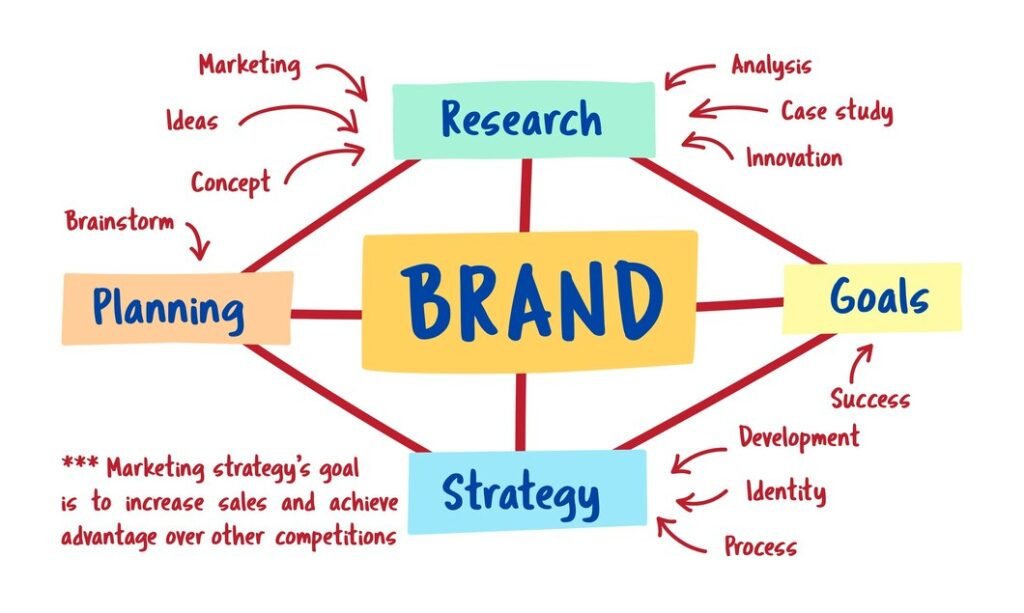
A complete brand identity is built from several connected pieces. Understanding each one helps you build a system that works together, rather than a set of unrelated design choices.
Mission and Values
Before choosing any visuals, define what your business stands for and why it exists. Your mission explains your purpose. Your values explain how you operate and what matters to you. These answers guide every design decision that follows, so it is worth taking real time with this step.
Target Audience
Knowing who you are trying to reach shapes almost everything about your brand identity. A brand aimed at busy professionals will look and sound different from one aimed at young families. Research your audience’s needs and preferences so your visuals and tone actually resonate with them.
Logo
Your logo is the most recognizable piece of your brand identity. It should be simple, relevant to your industry, and easy to use across different sizes and formats. If you need guidance on building or improving yours, our logo design services can help you create a mark that fits your brand from the start.
Color Palette
Colors carry emotional weight and help customers recognize your brand at a glance. Choose two or three main colors that reflect your brand’s personality, and use them consistently across your website, packaging, and marketing materials.
Typography
The fonts you choose affect how your brand feels. Bold, modern fonts suggest a forward looking business, while classic serif fonts suggest tradition and stability. Pick one or two fonts and stick with them everywhere your brand appears.
Imagery Style
Photos, icons, and illustrations should follow a consistent style, whether that means warm and candid photography or clean, simple icons. This consistency reinforces your visual identity even in content that does not include your logo directly.
Brand Voice
Brand voice covers the tone you use in writing, whether that is formal, playful, warm, or direct. A consistent voice across your website, social media, and customer emails helps your business feel like one coherent entity, not several different voices speaking at once.
Steps to Build Your Brand Identity
Building a Strong Brand Identity, Once you understand the core elements, building your brand identity becomes a matter of working through them in order.
Start by writing down your mission, values, and target audience. These answers become the filter for every choice that follows. According to Microsoft’s guide to small business branding, defining your brand’s values, mission, and personality, along with identifying your target audience, are among the first and most important steps in this process.
Next, research your competitors and your wider industry. Notice what visual styles are common and think about how your business can fit in while still standing out.
From there, design your logo. This becomes the anchor for your color palette, fonts, and imagery style, so it is worth getting right before moving on to the rest of your identity.
Once your logo is set, choose your colors and fonts. Keep the palette simple, usually two or three main colors, and limit yourself to one or two fonts for consistency.
Finally, put everything into a simple style guide. This does not need to be complicated. A single page showing your logo, colors, fonts, and a few notes on tone is enough for most small businesses to stay consistent.
Applying Your Brand Identity Consistently
Building your brand identity is only half the work. Applying it consistently across every channel is what actually builds recognition over time. Your website, social media profiles, email signature, packaging, and any printed materials should all reflect the same colors, fonts, and tone.
Consistency does not mean everything looks identical. It means every piece feels like it comes from the same business. A social media post can look different from a printed flyer while still using the same colors, fonts, and overall style. SCORE, a nonprofit that supports small business owners, notes that a memorable, distinctive look matters whether it appears on a large storefront sign or a small social media thumbnail, which is exactly why consistency across formats matters so much.
For inspiration on how visual choices shift across brands, our post on top logo design trends every brand should know can help you see current patterns without losing sight of your own identity.
Common Mistakes to Avoid
A few mistakes come up often when small businesses build their brand identity. Skipping the mission and audience research step leads to visuals that look nice but do not actually connect with the right customers. Choosing too many colors or fonts creates a cluttered, inconsistent look that is harder to manage across platforms.
Another common mistake is treating brand identity as a one time task rather than an ongoing system. As your business grows, small adjustments are normal, but constant, unplanned changes can confuse customers who were just getting familiar with your look.
Finally, many small businesses focus only on the logo and skip the rest of the identity system entirely. A logo alone cannot carry the full weight of a consistent brand, especially once marketing expands across multiple channels.
Getting Professional Help When You Need It
You do not need to build every part of your brand identity alone. Many small businesses work with a designer once they have a clear sense of their mission and audience, since a professional can turn those answers into a polished, cohesive system faster than trial and error.
If you already have a logo but feel like the rest of your brand still looks inconsistent, our brand identity services can help you build the missing pieces around it. You can also review pricing packages to see what level of support fits your budget, from a simple logo refresh to a full brand identity system.
Final Thoughts
Building a Strong Brand Identity, A strong brand identity gives a small business the visual consistency it needs to compete with much larger names. By defining your mission and audience, building a solid logo, choosing your colors and fonts with intention, and applying everything consistently, you create a brand that customers can recognize and trust over time. The work takes some planning up front, but it pays off through stronger recognition and a more professional presence everywhere your business shows up.
Frequently Asked Questions
How long does it take to build a brand identity?
It varies depending on the size of the project, but a basic brand identity for a small business can often be completed within a few weeks once the mission, audience, and logo are settled.
Do I need a designer to build my brand identity?
Not always. Many small businesses start with simple tools and templates, then bring in a designer once they need a more polished, professional system.
What is the most important part of brand identity?
There is no single most important part, since mission, audience, logo, color, and voice all work together. Skipping any one of them tends to weaken the rest.
How often should I update my brand identity?
Most small businesses refresh their brand identity every few years as the company grows, rather than changing it constantly. Frequent changes can confuse customers who are still learning to recognize your brand.