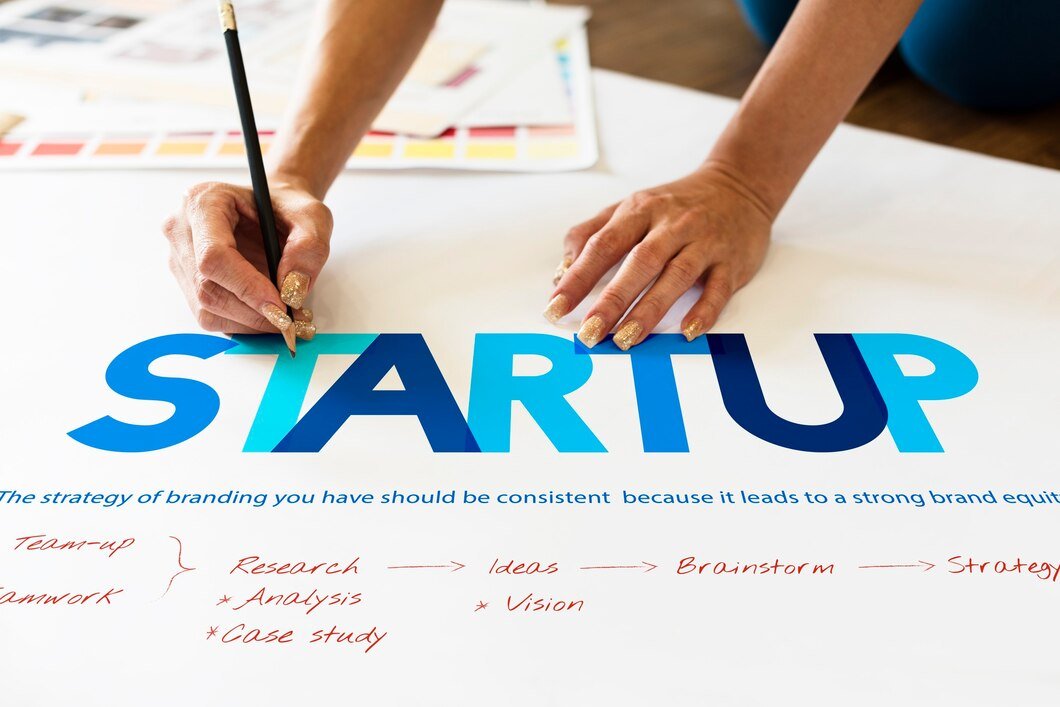
Logo Design for Startups, Starting a new business is exciting, but it also comes with a lot of choices. One of the most important choices is your logo. A good logo is not just a picture. It is the first thing people notice about your brand, and it can shape how customers feel about your business before they even try your product.
For startups, logo design for startups is not just about looking nice. It is about creating a visual identity that tells your story, builds trust, and helps you stand out in a busy market. In this guide, you will learn what makes a strong startup logo, the steps to create one, and the mistakes you should avoid along the way.
Table of Contents
Why Logo Design Matters for Startups
Your logo is often the first thing a customer sees, whether it is on your website, your packaging, or a social media post. First impressions happen fast, sometimes in just a few seconds. A clear and professional logo tells people that your business is trustworthy and ready to serve them.
A strong logo also helps with brand recognition. Think about brands you know well. You probably picture their logo before you think of anything else. That is the power of good logo design. When your logo is consistent and well made, customers remember your brand and are more likely to choose it again.
For a new startup, this matters even more. You may not have a big marketing budget yet, so your logo needs to work hard for you. It should communicate who you are, what you offer, and why customers should trust you, all through one simple image.
What Makes a Strong Startup Logo
Not every logo works well. Some are too complex, some do not match the brand, and some are forgotten within seconds. A strong startup logo usually shares these qualities.
Simplicity
The best logos are simple. Think of well known brands like Apple or Nike. Their logos are easy to recognize because they are clean and uncomplicated. A simple logo is also easier to use across different formats, such as a website header, a business card, or a mobile app icon.
Relevance
Your logo should reflect what your business does or the values it stands for. A tech startup and a bakery will need very different visual styles. The design should feel natural for your industry while still being unique enough to stand out from competitors.
Memorability
A memorable logo sticks in the customer’s mind. This usually comes from a mix of a distinct shape, a smart use of color, and a font that feels right for the brand. When your logo is memorable, people can recall your business even after seeing it only once or twice.
Versatility
Your logo needs to look good everywhere. It should work well in color and in black and white. It should look sharp on a large billboard and on a small app icon. A logo that only looks good in one size or format will cause problems later.
Steps to Create a Logo That Stands Out
Creating a logo is a process. Rushing through it often leads to a design that does not truly represent your brand. Here are the steps that help startups build a logo people remember.
Step 1: Understand Your Brand Identity
Before you draw or design anything, take time to understand your brand identity. Ask yourself what your business stands for, who your target customers are, and what feeling you want people to have when they see your brand. This step shapes every design decision that follows, including your colors, fonts, and shapes.
Step 2: Research Your Competitors
Look at logos used by other businesses in your industry. This helps you see what is common in your market and what might be overused. Your goal is not to copy them, but to find a way to stand apart while still fitting into your industry in a way customers understand.
Step 3: Choose the Right Colors
Color plays a big role in how people feel about your brand. Blue often feels trustworthy and calm, while red can feel bold and energetic, and black can feel sophisticated and premium. Adobe’s guide to color meaning explains that color shapes how people feel about a product and how they interpret a brand’s message, which is why color choice deserves real thought rather than a quick guess. Choosing colors with intention, rather than picking whatever looks nice, gives your logo more meaning.
Step 4: Pick a Font That Fits
Fonts carry their own personality. A bold, blocky font can feel strong and modern, while a soft, rounded font can feel friendly and approachable. Choose a font that supports the same feeling your colors and shapes are creating, so the whole design feels unified.
Step 5: Test Your Logo Design
Before finalizing your logo, test it in different situations. See how it looks in black and white, on a small screen, and on a large sign. Ask a few people outside your team for honest feedback. Sometimes a design that looks great on a computer screen does not work as well in real life.
Common Logo Design Mistakes Startups Should Avoid
Logo Design for Startups, Many startups make small mistakes early on that cost time and money later. Here are a few to watch out for.
Using too many colors or fonts can make a logo look cluttered and unprofessional. Copying trends without thinking about your own brand can make your logo feel generic and forgettable. Skipping research on existing trademarks can also lead to legal trouble down the road. Before you commit to a final design, it is worth checking official trademark resources. The United States Patent and Trademark Office notes that a name or logo used to advertise a business may already count as a trademark, so a quick search can save you from a costly rebrand later.
Another common mistake is designing a logo alone without any outside feedback. What feels right to you may not communicate the same message to your customers. Getting a second opinion, whether from a mentor, a friend, or a design professional, helps catch problems early.
DIY Logo vs Hiring a Professional Designer
Some startup founders try to design their own logo to save money. This can work for very early testing, but it often has limits. Free tools are useful for quick drafts, but they usually offer generic templates that many other businesses also use.
Hiring a professional designer brings more value in the long run. A designer understands typography, spacing, color theory, and how a logo needs to perform across different platforms. They also bring an outside perspective, which helps avoid designs that only make sense to the founder.
If you are ready to move past DIY tools, working with a dedicated logo design service can help you get a polished, professional result without the guesswork. Many services also include full brand identity support, so your logo, colors, and fonts all work together as one system.
HubSpot’s guide to branding for startups makes a similar point: a brand is really an experience, not just a set of visuals, so it pays to be strategic and intentional when defining it. A logo is simply the visible part of that larger experience.
How Much Should a Startup Logo Cost
Logo pricing varies widely depending on experience level, the number of concepts offered, and how many revisions are included. A basic package with a handful of concepts and simple revisions will cost less than a package that includes unlimited concepts, a full brand style guide, and extra design assets like business cards or letterheads.
Before choosing a package, it helps to compare what is included. Look for details such as the number of logo concepts, turnaround time, revision limits, and file formats provided. You can review sample pricing packages to see what typically comes with each tier, so you know exactly what you are paying for.
Final Thoughts
Logo Design for Startups, A strong logo does more than make your business look good. It builds trust, helps customers remember you, and supports every other part of your brand identity. For startups, taking the time to design a logo with real thought behind it pays off far beyond the first impression.
If you want more guidance, check out these related reads on tips for creating a memorable logo design and why brand identity matters for business growth. Both offer practical advice you can apply as you build your own brand from the ground up.
Frequently Asked Questions
How much does a logo cost for a startup?
Costs vary based on the designer’s experience, the number of concepts included, and any extra branding materials. Small startups often start with a basic package and upgrade later as the business grows.
Can I design my own startup logo?
Yes, especially in the earliest stages. Free tools can help you test ideas quickly. However, most startups eventually move to a professional designer once they need a polished, long term brand identity.
What makes a logo good?
A good logo is simple, relevant to the business, easy to remember, and works well across different sizes and formats. It should also reflect the brand’s personality and connect with its target audience.
Do I need to check trademarks before using a logo?
Yes. Checking existing trademarks helps you avoid legal issues and costly rebrands later. A basic search through official trademark databases is a smart first step before finalizing any design.